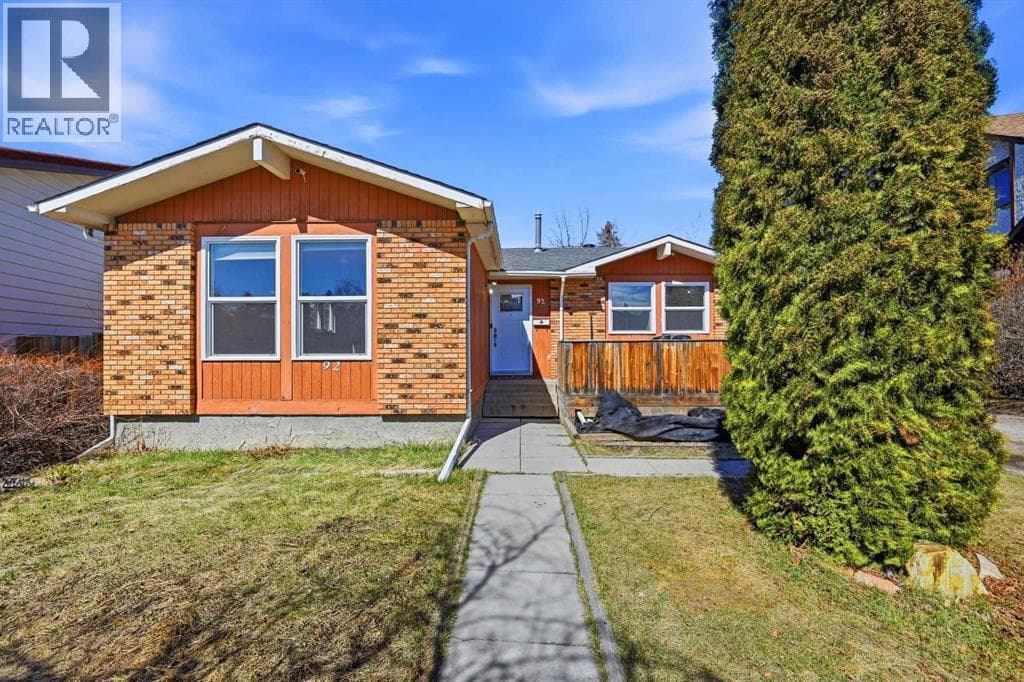
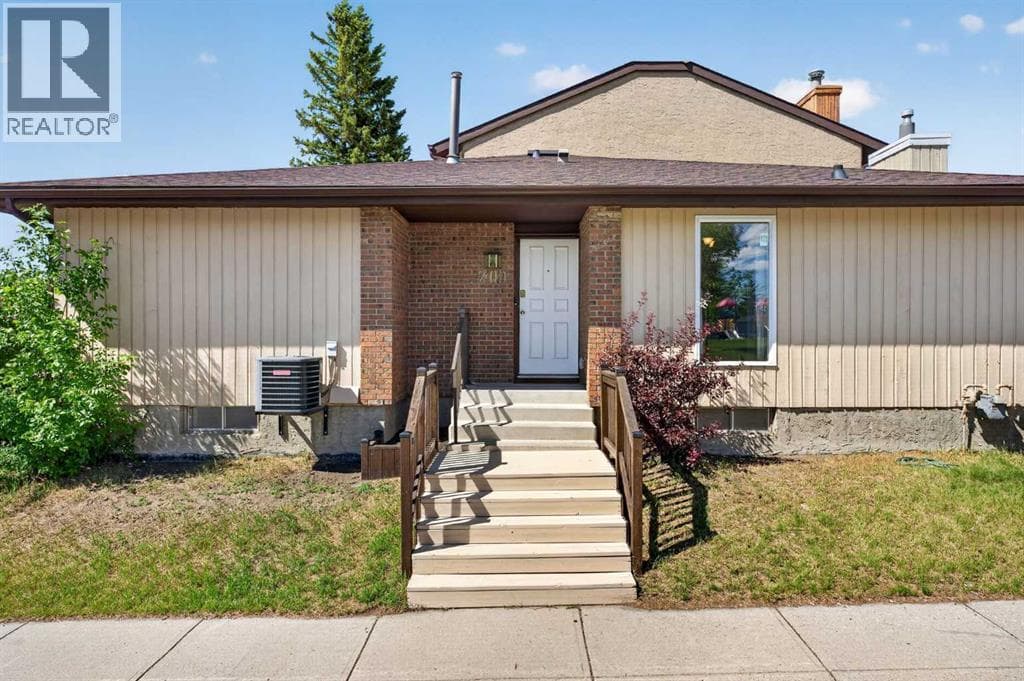
Whitehorn on a weekday morning runs on the Blue Line. The station — the eastern terminus of the route — empties a steady stream of commuters heading downtown while a shift change filters in and out of Peter Lougheed Centre a few blocks over. The neighbourhood itself is quiet, low-slung 1970s bungalows and bi-levels on curving streets, with little retail noise of its own.
Last updated:Housing + prices
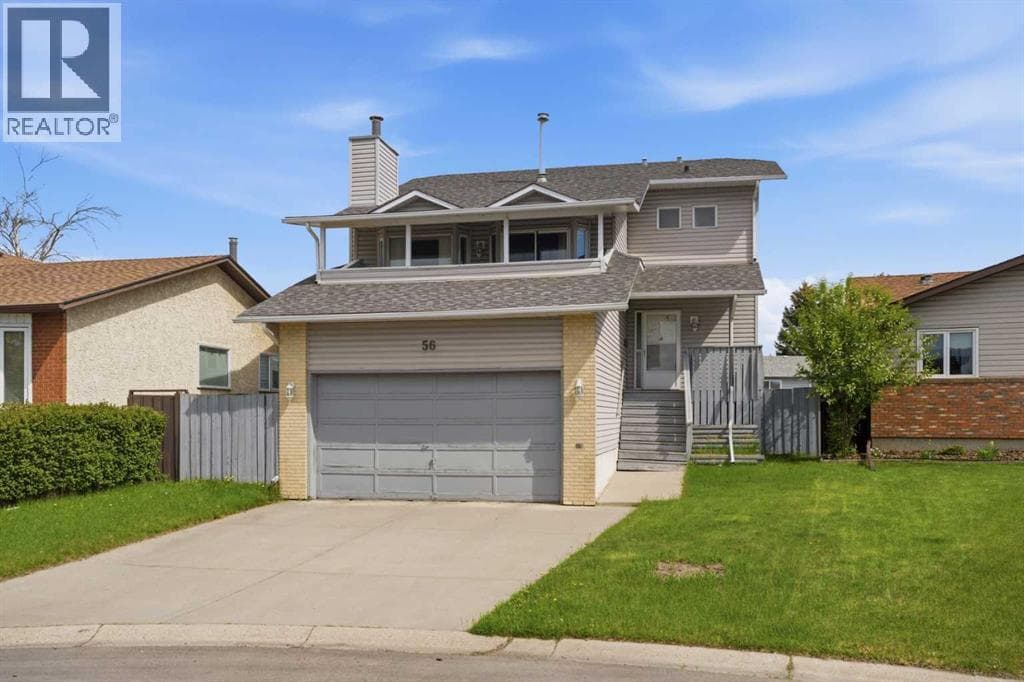
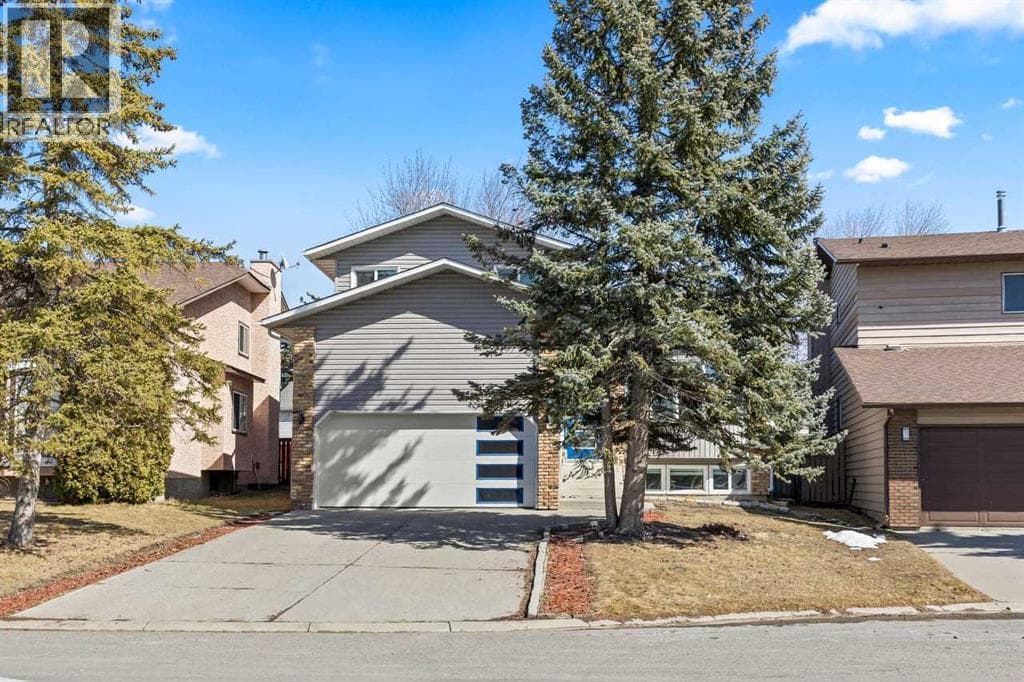
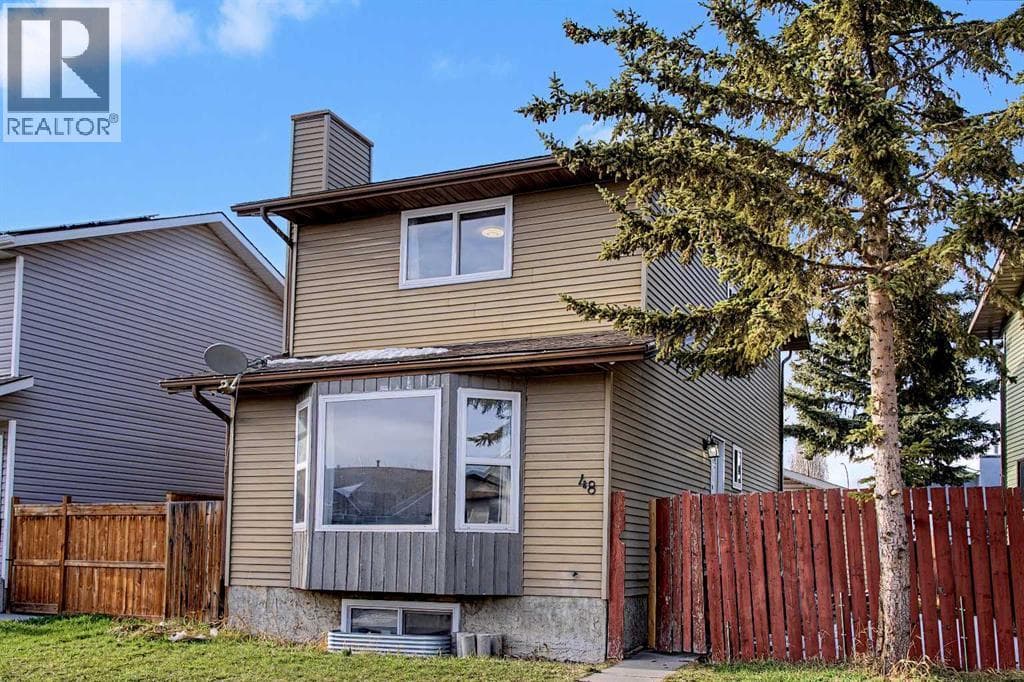
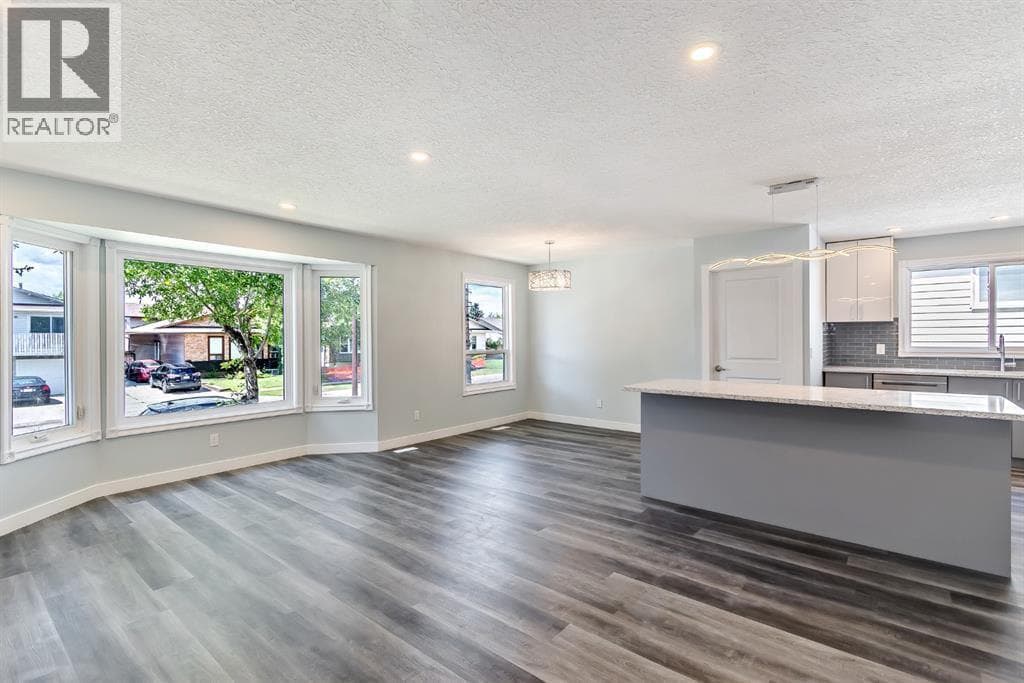
Whitehorn is primarily a detached-home community. The stock is 1970s-80s bungalows, bi-levels, and split-levels on standard suburban lots — original builds with varying degrees of updating. There is no new construction happening inside the community's borders.
| Type | Typical 2026 range | |---|---| | Detached (bungalow / bi-level) | $480K – $560K | | Townhome | $390K – $440K | | Apartment condo | $270K – $330K |
These are defensible community ranges based on recent listing and sale data, not CREB-published community benchmarks. The CREB May 2026 citywide detached benchmark was $747,800 — Whitehorn trades roughly $200K below that, which is the core of its appeal for entry-level buyers.
Getting around
The Whitehorn CTrain station is the Blue Line's eastern terminus. Trains run frequently during peak hours and connect directly to downtown in 25-30 minutes. No transfers needed. For drivers, McKnight Boulevard runs along the northern edge and connects west to Deerfoot Trail and the rest of the city in under 10 minutes. The 32 Avenue NE commercial strip to the south covers most daily errands.
Who it fits / who it doesn't
Fits:
- First-time buyers who want a detached under $560K with immediate transit access
- Newcomer families who need LRT commutability and proximity to healthcare employment at Peter Lougheed Centre
- Investors targeting entry-level detached rentals in a transit-served NE pocket
Doesn't fit:
- Buyers who want a newer build or master-planned community feel — consider Falconridge for a similar price tier with somewhat newer stock
- Walkable-lifestyle buyers who want a main street, cafés, or independent retail inside the neighbourhood — Beltline is the contrast
- Buyers expecting appreciation driven by infill activity — lot sizes and zoning here have not attracted the same developer interest as inner-city communities
FAQ
How much does a house in Whitehorn cost in 2026?
Detached homes in Whitehorn have been trading in roughly the $480K-$560K range in 2025-2026, with a reported average sold price around $493K-$522K depending on the month and product mix. Townhomes typically list and sell in the $390K-$440K range. These are defensible community ranges, not exact CREB community benchmarks. The CREB May 2026 citywide detached benchmark was $747,800, which puts Whitehorn well below the city average.
How long does the CTrain commute from Whitehorn to downtown take?
The Whitehorn station is the eastern terminus of the Blue Line. Downtown stations (City Hall, 3 Street SW, 8 Street SW) are roughly 25-30 minutes by train with no transfer required. Buses also connect Whitehorn to the broader NE transit network, and McKnight Boulevard provides direct car access westbound.
What schools and amenities are in Whitehorn?
Public schools in the community include J. Fred Scott School (K-6) and Annie Gale Junior High, both Calgary Board of Education. The Whitehorn Multi-Services Centre serves as a community hub for programming and events. There is no significant walkable retail inside Whitehorn itself — groceries and services are typically accessed via Sunridge Mall and the 32 Avenue NE commercial strips to the south and east.
If Whitehorn interests you, the neighbouring communities of Temple and Pineridge share a similar NE entry-level profile and are worth comparing on lot size and school catchments. Want NE Calgary listings as they hit the MLS? Get on the Calgary list and our team will send Whitehorn stock the day it lists, or browse current Whitehorn listings now.