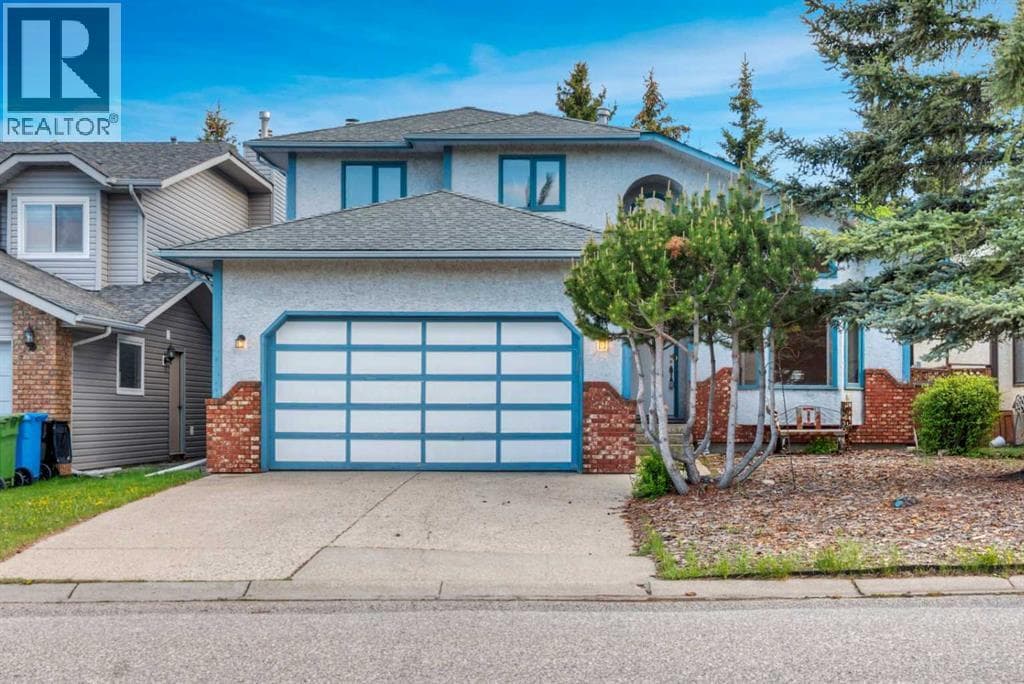
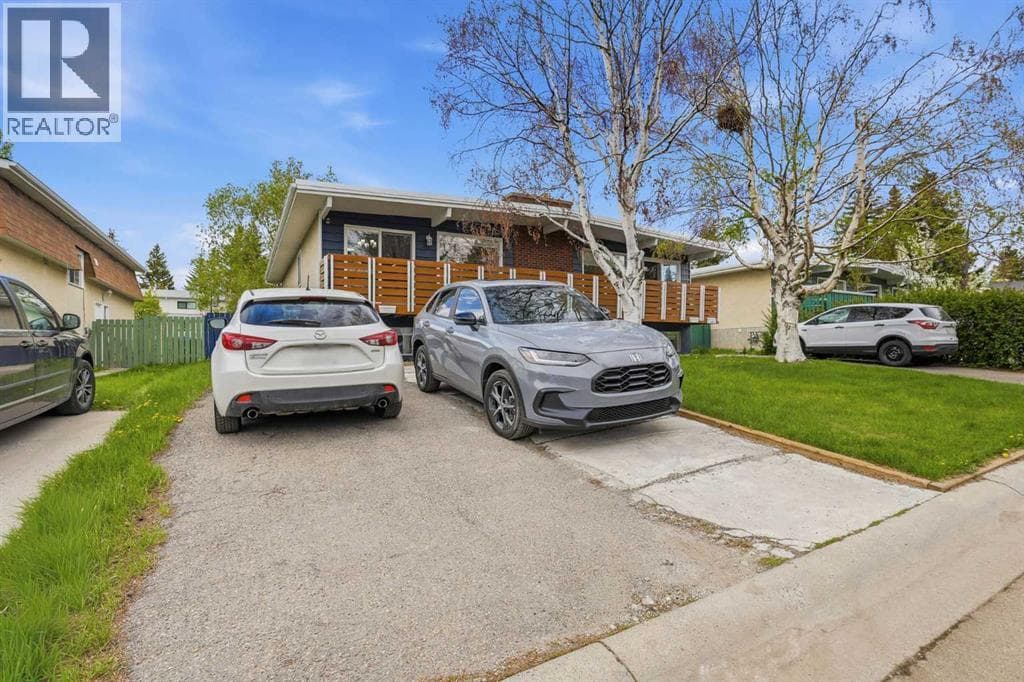
Dalhousie on a weekday morning is timed to the CTrain. Residents walk a few blocks through tree-canopied 1970s streets, grab something from the station plaza, and disappear onto the Red Line. The houses left behind are mostly original detached stock — brick and stucco, modestly scaled, on lots that reward buyers who want a yard without a $900K price tag attached to it.
Last updated:Housing + prices
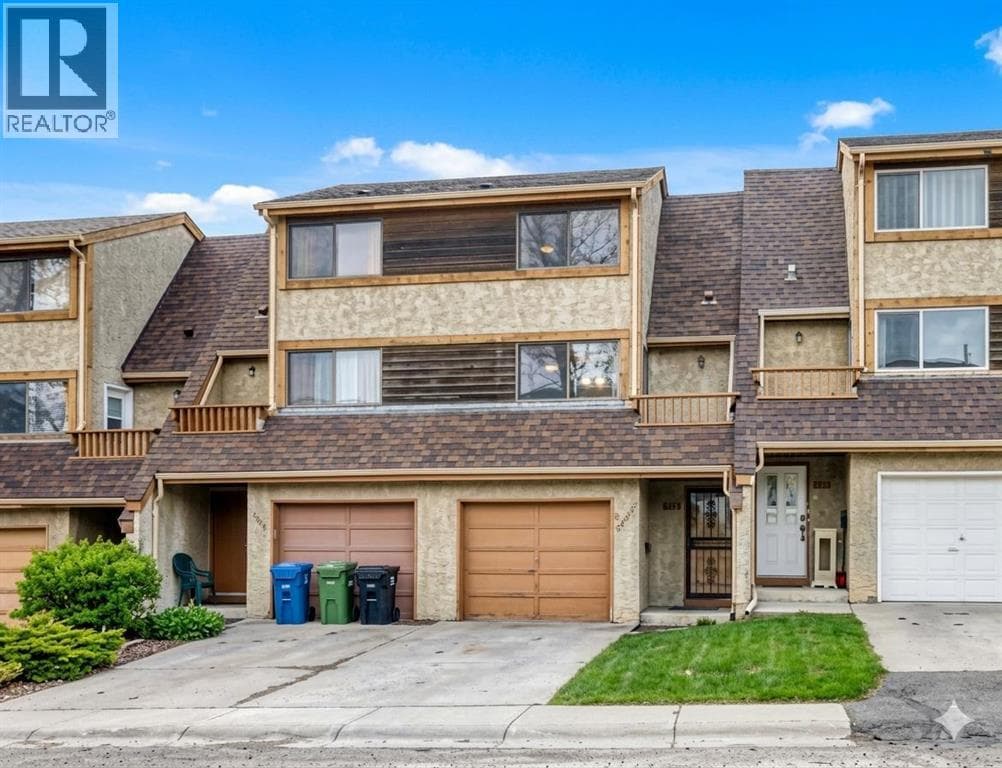
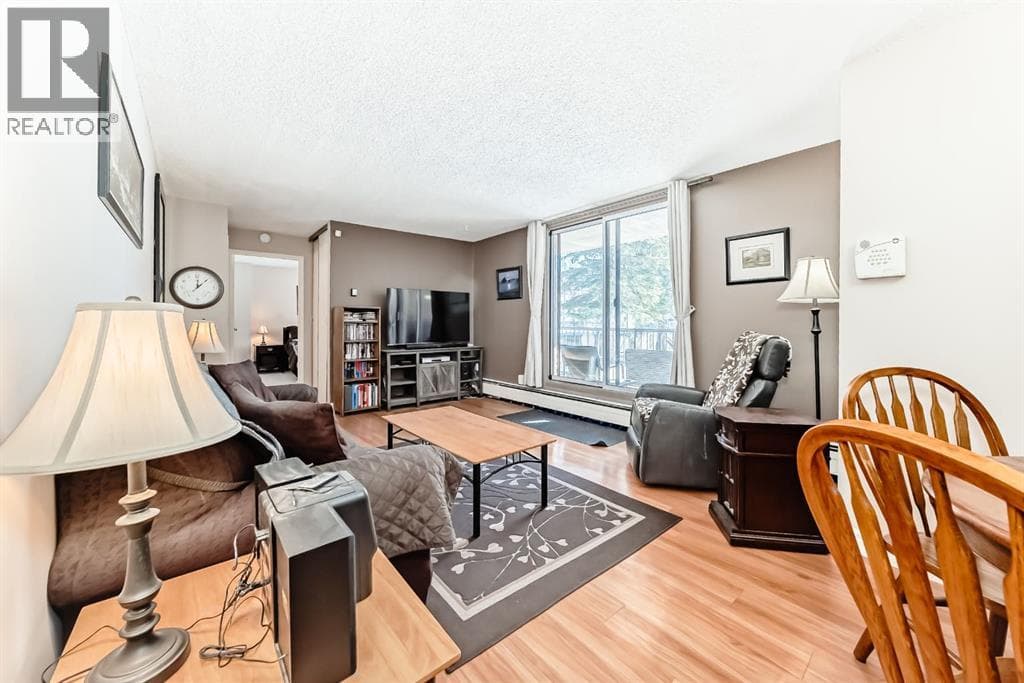
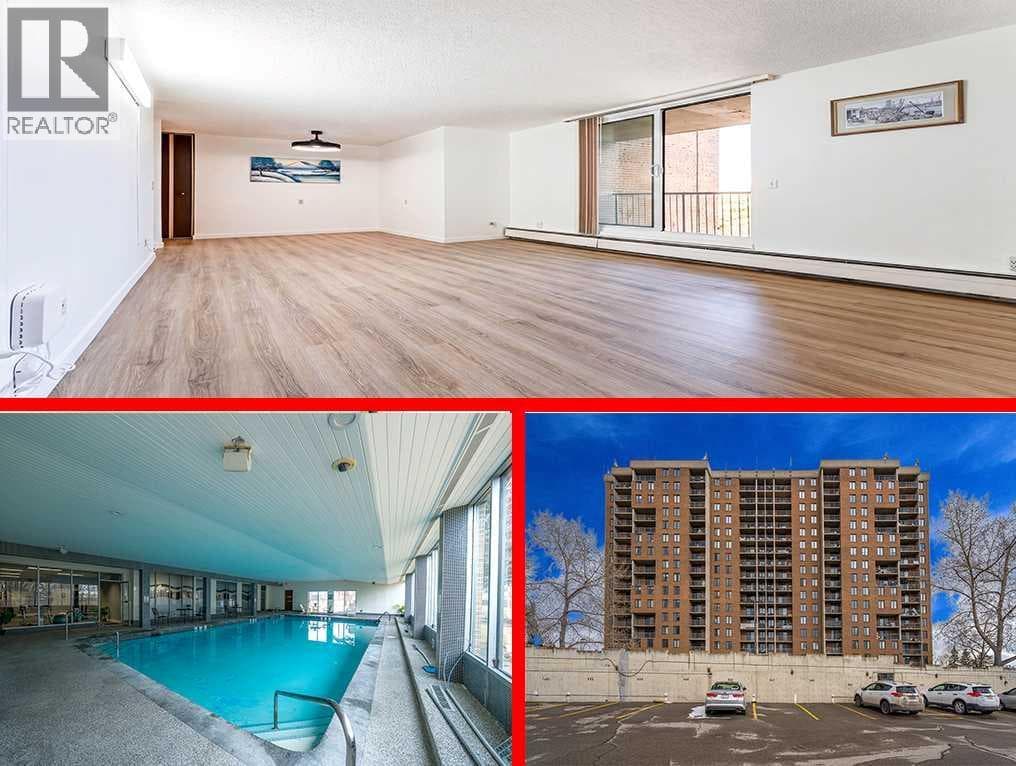
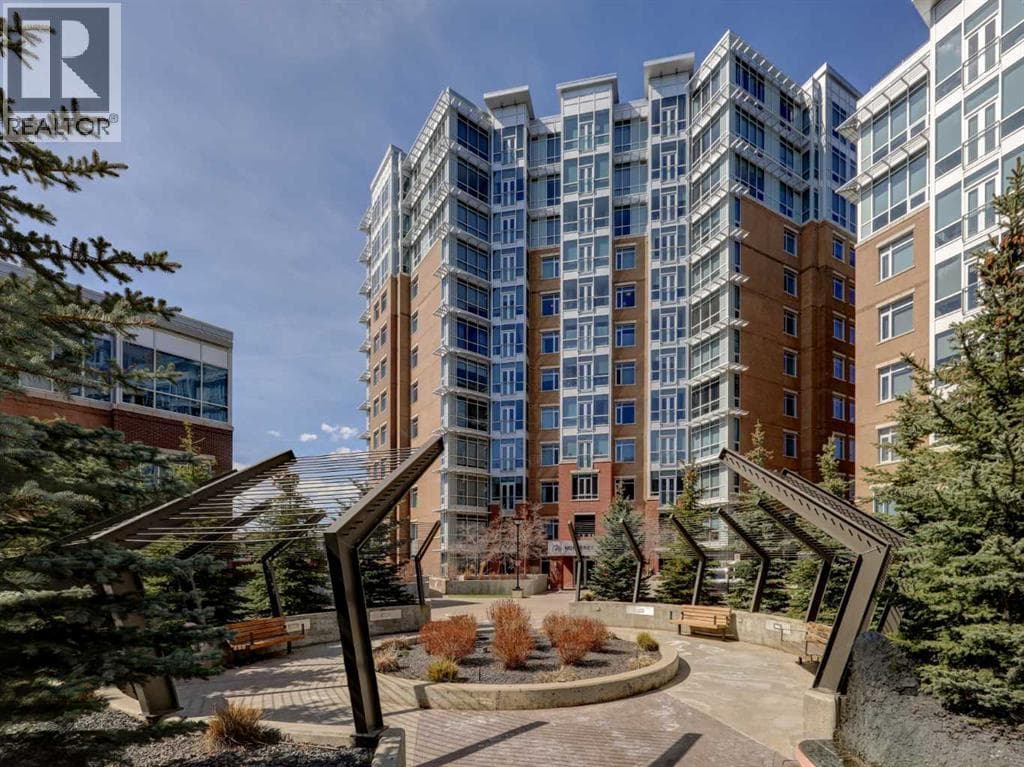
Dalhousie's housing stock is dominated by 1970s detached homes — typically bungalows and split-levels — with some semi-detached and townhome infill added over the decades. Detached homes have been trading in the $550K–$790K range, with the trailing average around $762K. Townhomes and attached product sit closer to $450K–$600K. These are defensible community ranges, not exact benchmarks; a renovated walk-out backs to greenspace trades differently than a dated mid-block bungalow.
| Product type | 2026 typical range | |---|---| | Detached | $550K – $790K | | Townhome / row | $450K – $600K | | Condo apartment | $280K – $380K |
For reference, CREB's May 2026 citywide benchmarks are: detached $747,800, row $422,300, apartment $300,400.
Getting around
The Dalhousie CTrain station on the Red Line is the neighbourhood's backbone. Most addresses are within a 10–15 minute walk of the platform, and a rail commute to the downtown core runs roughly 30 minutes with no transfers. Crowchild Trail and Shaganappi Trail NW provide the main driving routes; downtown is reachable in 20–35 minutes by car depending on time of day. The University of Calgary and SAIT are two stops south on the same line, which shapes a lot of who lives here.
Who it fits / who it doesn't
Fits:
- Buyers who commute downtown and want to ditch the car — walkable to CTrain with no connection needed
- Families after mid-priced detached in an established NW neighbourhood with schools in the community
- Students, faculty, and staff affiliated with the U of C or SAIT corridor who want a quieter residential base
Doesn't fit:
- Buyers wanting new construction or larger lots — look at Edgemont or Tuscany instead
- Those who prefer a walkable urban environment over suburban transit access — Brentwood is a closer LRT-adjacent option with denser amenities
- Anyone whose budget requires pricing well below $500K for detached product
FAQ
How much does a house in Dalhousie cost in 2026?
Detached homes have been selling in the $550K–$790K range, with a trailing 12-month average around $762K based on recent sales data. Townhomes run closer to $450K–$600K. These are defensible community ranges, not exact benchmarks — condition, lot size, and renovation status move individual sales significantly. Calgary's May 2026 CREB detached benchmark sits at $747,800 citywide for context.
How is the commute from Dalhousie to downtown Calgary?
The Dalhousie CTrain station sits on the Red Line (Northwest LRT corridor). A rail commute to the downtown core takes roughly 30 minutes with no transfers. Drivers can reach downtown via Crowchild Trail or Shaganappi Trail in 20–35 minutes depending on traffic and time of day.
What schools serve Dalhousie?
H.D. Cartwright School covers grades 6–9 and St. Dominic Fine Arts School serves K–6, both within the community. The University of Calgary and SAIT are a short CTrain ride south, which also makes Dalhousie popular with students and university-area employees.
Buyers comparing NW options often weigh Dalhousie against Varsity to the south — similar era, slightly higher price points — or Brentwood for a denser, more walkable station-side feel. Want NW Calgary listings as they hit the MLS? Get on the Calgary list and our team will send Dalhousie stock the day it lists, or browse current Dalhousie listings now.